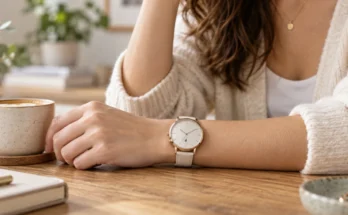
Some of the most helpful accessories solve problems so small that we hardly think to look for a solution. Reading glasses slide off a shirt collar. A warm afternoon leaves us juggling a handheld fan and a shopping bag. A quick evening walk begins in daylight and ends on a dim sidewalk. We manage these little inconveniences, but managing them is not always the same as making them easier.
That is where useful wearable accessories earn their place. They keep something close, free a hand, or make an ordinary outing more comfortable without requiring an app or a complicated setup. While smartwatches and wireless earbuds often get the attention, a simple holder, discreet pouch, or small light may be the accessory you reach for most often.
The trick is choosing something that fits your routine. These four practical finds are worth considering, along with the details that help separate a clever idea from something you will actually enjoy wearing.
Magnetic Eyeglass Holders: A Handy Home for Your Readers
If you wear reading glasses only when you need them, you probably know the familiar routine: put them on, take them off, tuck them somewhere, and wonder where they went. A magnetic eyeglass holder gives them a predictable resting place on your clothing, close enough to reach when a menu, label, or phone screen needs a second look.
Many designs use a magnetic backing inside the shirt and a small holder on the outside. The two pieces connect through the fabric, creating a place to hang one folded arm of your glasses. ReadeRest is one example of this style, which attaches without a traditional pin piercing the shirt.
This can be especially convenient for shopping, working at a desk, crafting, or moving between tasks that call for different viewing distances. Instead of balancing readers on your head or dropping them into a crowded bag, you have one place to put them. A holder can also suit someone who likes the convenience of a glasses chain but prefers a smaller accessory on the shirt.
Before buying, think about the clothing you usually wear. Thin, soft fabric may sag under heavier glasses, while thicker layers can affect how securely the magnetic pieces connect. Look for smooth edges, check the holder’s dimensions, and make sure your frames can hang comfortably without the lenses rubbing against hardware.
Try the holder at home before trusting it on an outing. Bend forward, sit down, and move around as you normally would. Glasses that rest securely while you stand still may shift when you lean over. A holder is convenient for temporary storage, but a protective case is still the better place for glasses when they go into a bag.
Wearable Fans: A Breeze Without Occupying Your Hands
A handheld fan can be pleasant on a warm day, right up until you need both hands. A wearable neck fan takes that same idea and places it around your neck, directing airflow upward while you carry groceries, browse an outdoor market, or sit through an afternoon event.
Most neck fans have a curved shape somewhat like a pair of headphones. Depending on the design, air comes from small fan heads or vents along the sides. Enclosed designs avoid exposed spinning blades, although hair and loose clothing should still stay clear of air intakes according to the manufacturer’s instructions.
Comfort matters more than a long feature list. A neck fan that feels heavy, presses against your collarbone, or slides around when you walk can become irritating quickly. Check the weight, shape, and adjustability, and consider whether it will sit comfortably with your usual neckline or glasses strap.
Noise deserves attention, too. Because the fan sits close to your ears, a sound that seems minor across a room may become distracting during a conversation. Look for adjustable speeds so you can use a gentler setting when you want less noise. If you are comparing rechargeable models, check battery estimates at different speeds rather than assuming the longest advertised runtime applies to the highest setting.
A wearable fan is best approached as a comfort accessory. It moves air, but it does not provide the same cooling as air conditioning. The CDC cautions that fans should not be relied on to prevent heat-related illness during very hot conditions. Shade, water, breaks, and access to a cooler space remain essential when the weather becomes extreme.
For someone who regularly wishes for a little airflow while keeping both hands available, however, a comfortable neck fan can be a useful addition to a warm-weather outing.
Hidden Travel Wallets: A Discreet Place for Backup Essentials
A hidden travel wallet is one of those accessories that makes more sense once you decide what belongs inside it. It works best as a discreet place for a few backup essentials: a spare card, some emergency cash, or a passport when the pouch is designed to hold one comfortably.
Common styles include slim money belts worn beneath clothing, neck pouches tucked inside a shirt, and small pockets that attach to a waistband or belt. Each has its own tradeoff. A money belt spreads its contents across the waist, a neck pouch keeps them higher on the body, and an attached pocket may suit someone who dislikes an extra strap.
The right choice depends on your clothes and how you move. A pouch that disappears beneath a loose shirt may show through a fitted top. A waist strap that feels fine while standing may press uncomfortably when you sit through a long flight. Soft backing, covered seams, and a flat profile are often more useful than extra compartments.
Avoid filling a hidden wallet until it becomes bulky. A phone, keys, several cards, cash, and a passport can turn a discreet accessory into an uncomfortable lump. Keep frequently used items in an accessible everyday wallet and reserve the concealed pouch for things you do not need to retrieve at every checkout.
Treat it as a less obvious storage location rather than a guarantee against theft. Consider where and how you will access it, and keep track of your belongings as you normally would. The practical benefit is having a separate place for important backup items if your main bag or wallet goes missing.
Before a trip, wear the pouch at home with the clothing you plan to pack. Sit, walk, and try retrieving its contents. A short practice run can reveal an awkward zipper or uncomfortable strap while there is still time to choose a better fit.
Compact Safety Lights: A Small Addition for Evening Visibility
An evening walk can change quickly as the light fades, especially when a route includes shaded streets or poorly lit sidewalks. A compact wearable safety light adds a visible point of light to your clothing or gear without requiring you to hold anything.
Options include clip-on LEDs, illuminated wrist or ankle bands, and lights that attach to straps or zippers. For example, Nite Ize offers a rechargeable LED slap wrap intended for nighttime visibility. Different attachment styles suit different routines, so choose the one you can put on easily and secure consistently.
Think about where the light will sit once you are dressed. A clip hidden beneath a jacket or covered by a shoulder bag offers little practical benefit. Check that the attachment stays put, that the light remains exposed, and that it does not swing around or shine directly into your eyes.
Simple controls are worth looking for. An easy-to-find button makes the light more convenient when you are heading out the door, while clear information about runtime and charging helps you keep it ready. If you expect to use it in damp weather, check the manufacturer’s water-resistance rating rather than assuming every outdoor-looking light can handle rain.
A visibility light and a walking light serve different purposes. A small LED may help others notice you without illuminating a broken sidewalk or an uneven step. If your route is dark, a flashlight or headlamp can help you see the path as well. Reflective details, sensible routes, and attention to traffic still matter alongside any wearable light.
The most useful option is one you will remember to wear. Keeping it beside your walking shoes, jacket, or dog leash makes it easier to include in your routine.
Choose the Accessory That Solves Your Most Frequent Annoyance
You do not need all four accessories to make your day easier. Start with the inconvenience you encounter most often. If you constantly misplace your readers, a glasses holder may earn its place immediately. If your evenings include regular walks, a small visibility light may be the more useful purchase. A concealed wallet can wait until you have a trip planned, while a wearable fan makes sense when hands-free airflow would help with activities you already enjoy.
Before choosing, picture yourself wearing the accessory for an hour. Consider its weight, how it attaches, whether it works with your clothes, and how much attention it needs. Rechargeable accessories are convenient when charging fits your routine; a simple accessory with no battery may be better if you prefer to put it on and forget about it.
The best wearable finds settle naturally into everyday life. They give your glasses a home, keep a spare card close, or add a little convenience to an outing. When an accessory repeatedly solves a problem you already have, it becomes much easier to understand why you needed it.
Looking for more simple technology that fits comfortably into everyday life? Visit our Wear collection for practical guides to smartwatches, health monitors , and other wearable poducts. You can also explore Nettie’s Nick Nacks to discover useful ideas for what you listen to, wear, carry, live with, and discover next.